Baetic thyme
Thymus baeticus
Family · Lamiaceae · Harmless
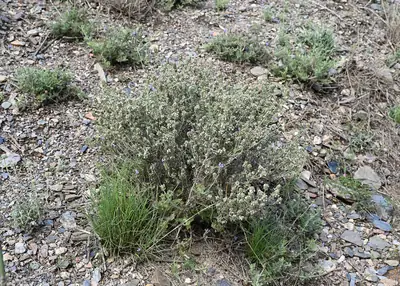
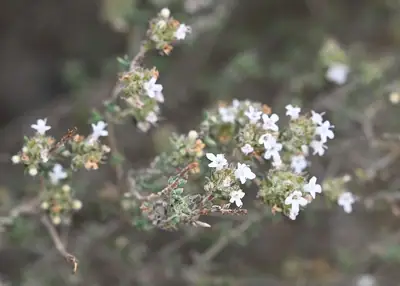


One of many thymes endemic to southeastern Spain, where the genus has exploded into dozens of close species. It smells and is used like the others, and is told apart mostly by range and leaf details.
Scrubland · Uplands · Roadsides and waste ground
Also known asAndalusian thyme
How to tell it
A low woody cushion with small narrow leaves, margins rolled, with white hairs at the base. White or pinkish flowers in dense heads. The smell is kitchen thyme, and that is what matters in the field. Range: mainly a Spanish plant, practically absent from Portugal.
What it is confused with
Spanish thyme
Thymus zygis
They are very close and are separated by hair and leaf details requiring a lens. The good news is that you do not need to: all Iberian thymes are safe and used the same way.
What it is for
Seasoning and infusion, like the other Iberian thymes. It is one of the species that goes into Andalusian commercial thyme.
Traditionally used as food. This is not permission to eat it.
With documented traditional uses. Not a therapeutic indication and not a dose.
Where it occurs
Each square is an area with recorded observations of this plant. The lighter background is the set of areas where any of the entries has been observed, and serves as a reference. Note what this is not: it is not where the plant lives, it is where people record it, so trails and towns always look fuller than the mountains. Data from GBIF.
Sources
Community
No approved contributions for this entry yet.
Nothing appears here without a person reading it first. Contributions do not replace the entry or its warnings: until a botanist confirms, what is written above stands.