Blackthorn
Prunus spinosa
Family · Rosaceae · Harmless
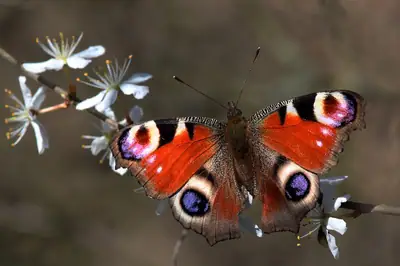
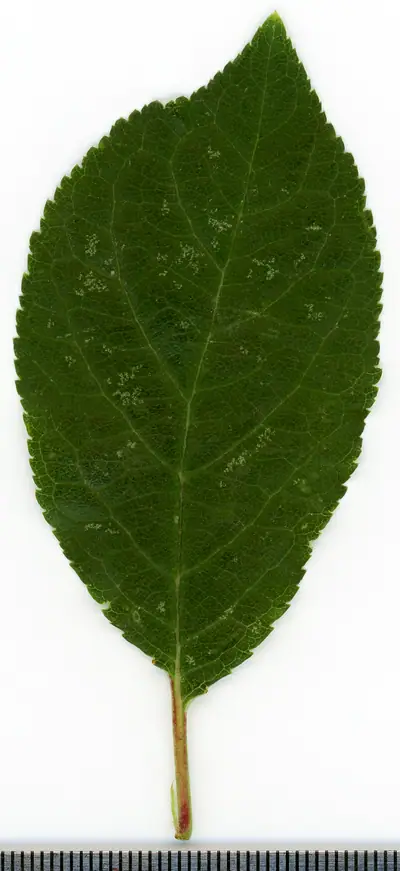


The first white of the year in the hedgerows, still in deep winter and before any leaf. In autumn it bears the blue sloes that make sloe liqueur.
Roadsides and waste ground · Oak woods · Uplands · Fields and pasture
Also known assloe
How to tell it
Dark, almost black branches full of stiff thorns. Solitary white flowers straight on the bare branch, in February. A round, dark blue fruit with a waxy bloom and fiercely astringent.
What it is confused with
Hawthorn
Crataegus monogyna
The season decides: blackthorn flowers in February without leaves, hawthorn in May with them. And the fruits are dark blue versus red.
What it is for
The sloe is unpalatable raw until the first frost, then it makes liqueur, jam and Navarrese pacharán. Gathered in October and November, after the cold has been through it.
Traditionally used as food. This is not permission to eat it.
Where it occurs
Each square is an area with recorded observations of this plant. The lighter background is the set of areas where any of the entries has been observed, and serves as a reference. Note what this is not: it is not where the plant lives, it is where people record it, so trails and towns always look fuller than the mountains. Data from GBIF.
Sources
Community
No approved contributions for this entry yet.
Nothing appears here without a person reading it first. Contributions do not replace the entry or its warnings: until a botanist confirms, what is written above stands.