Common sorrel
Rumex acetosa
Family · Polygonaceae · Harmless
Read this before the sheet
This plant, or one that resembles it, is dangerous. Identifying is not authorising: no app has the authority to tell you that you may eat or touch a plant.
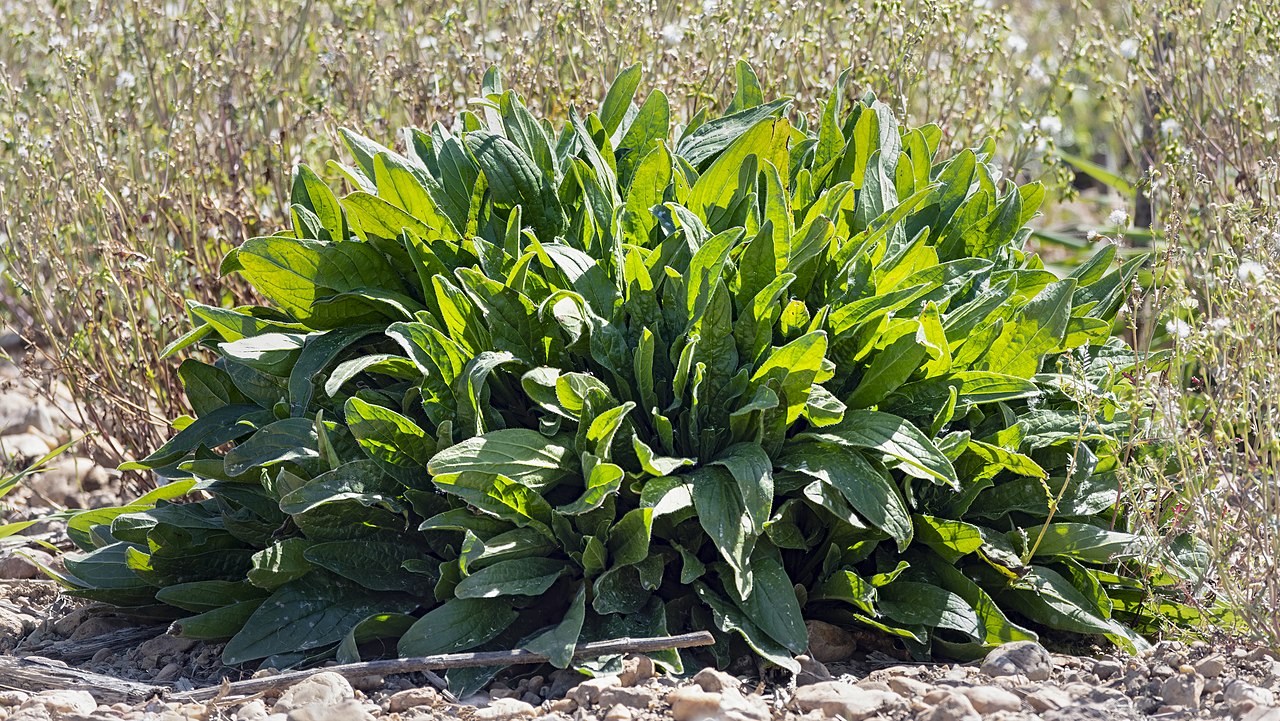

_Rumex_acetosa_-_Habit.jpg)

The arrow-shaped leaf that tastes of lemon when bitten. It grows in northern meadows and wet pastures, and is one of the few wild plants recognised as much by taste as by shape.
Fields and pasture · Uplands · Roadsides and waste ground · Streams and ditches
Also known assorrel, spinach dock
How to tell it
An arrowhead leaf with the two basal lobes pointing downwards. A spike of reddish flowers in summer. An immediate, clean sour taste.
What it is confused with
Italian arum
Arum italicum
This is the real confusion: both have arrow-shaped leaves and grow in the same damp places. Arum has a thick glossy leaf, often with pale veins, and burns the mouth instantly. Sorrel is thin, matt and lemony. If it burns, spit it out and do not swallow.
Open sheet →What it is for
Leaves in soup, sauce and salad across Europe. The sourness is oxalic acid, so it is a plant for moderate quantities, especially for anyone prone to kidney stones.
Traditionally used as food. This is not permission to eat it.