Stone pine
Pinus pinea
Family · Pinaceae · Harmless
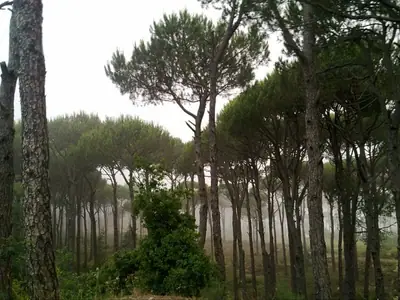
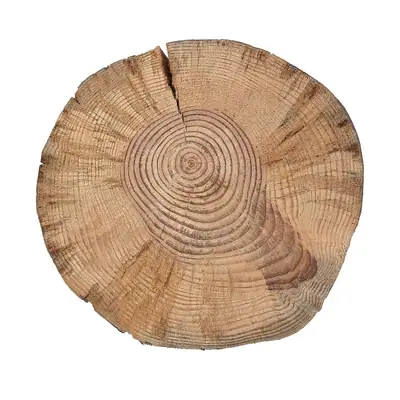


The umbrella silhouette that defines the coastal Alentejo and the Serra de Grândola. It is the pine nut tree, and takes three years to make a cone.
Pine woods · Dunes and sand · Montado · Fields and pasture
Also known asumbrella pine, parasol pine
How to tell it
A broad flat umbrella crown, unmistakable from a distance. Needles in pairs, thin and flexible. A round, thick, heavy cone with hard-shelled nuts.
What it is confused with
Maritime pine
Pinus pinaster
Needle and cone. Maritime pine has thick stiff needles and a pointed cone; stone pine has fine needles and a round cone.
What it is for
The pine nut is Europe's most expensive nut and a Portuguese export crop. Cone gathering is a seasonal trade, still done with poles and climbers.
Traditionally used as food. This is not permission to eat it.
Where it occurs
Each square is an area with recorded observations of this plant. The lighter background is the set of areas where any of the entries has been observed, and serves as a reference. Note what this is not: it is not where the plant lives, it is where people record it, so trails and towns always look fuller than the mountains. Data from GBIF.
Sources
Community
No approved contributions for this entry yet.
Nothing appears here without a person reading it first. Contributions do not replace the entry or its warnings: until a botanist confirms, what is written above stands.