Roman chamomile
Chamaemelum nobile
Family · Asteraceae · Harmless
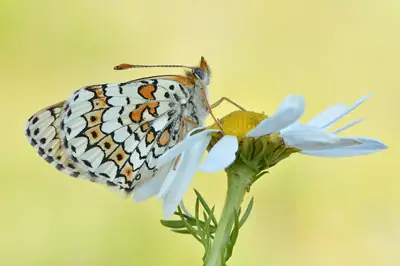
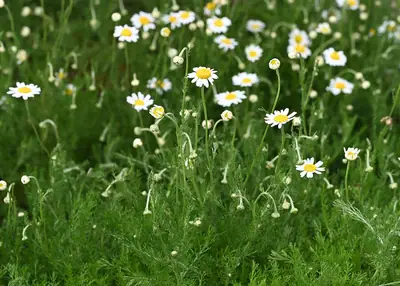


The small daisy that makes the tea. It grows in trodden fields and verges, and releases a sweet, unmistakable smell when you walk over it.
Fields and pasture · Roadsides and waste ground · Uplands
Also known aschamomile, English chamomile
How to tell it
Small heads with a domed yellow centre and short white petals. Very finely divided, almost feathery leaves. A sweet apple smell when crushed.
What it is confused with
Corn chamomile
Anthemis arvensis
They look alike and both are harmless, but corn chamomile barely smells. When in doubt the nose decides, as almost always in this family.
What it is for
Europe's most consumed infusion, made from the dried flowers. Gathered in high summer with the flower open, and dried in the shade.
Traditionally used as food. This is not permission to eat it.
With documented traditional uses. Not a therapeutic indication and not a dose.
Where it occurs
Each square is an area with recorded observations of this plant. The lighter background is the set of areas where any of the entries has been observed, and serves as a reference. Note what this is not: it is not where the plant lives, it is where people record it, so trails and towns always look fuller than the mountains. Data from GBIF.
Sources
Community
No approved contributions for this entry yet.
Nothing appears here without a person reading it first. Contributions do not replace the entry or its warnings: until a botanist confirms, what is written above stands.