Tormentil
Potentilla erecta
Family · Rosaceae · Harmless
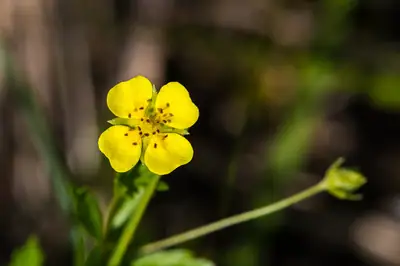
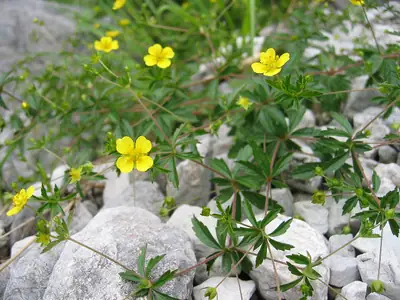


The small yellow four-petalled flower of mountain wet meadows and bogs, and the detail matters: four petals, in a genus where everyone else has five. It was one of Europe's most used astringents.
Uplands · Fields and pasture · Oak woods
Also known asseptfoil, bloodroot
How to tell it
Count the petals: four, yellow, which sets it apart at once from all other cinquefoils and the buttercups. Leaves with three leaflets and two large stipules that look like leaflets, giving an effect of five. A root that turns red in air.
What it is confused with
Creeping cinquefoil
Potentilla reptans
The petals settle it: four on tormentil, five on creeping cinquefoil. And cinquefoil runs along the ground by runners, tormentil grows in an upright tuft.
What it is for
The root is extremely rich in tannins and was a reference astringent across Europe, besides tanning hides and dyeing red. Traditional internal use, not a recommendation.
With documented traditional uses. Not a therapeutic indication and not a dose.
Where it occurs
Each square is an area with recorded observations of this plant. The lighter background is the set of areas where any of the entries has been observed, and serves as a reference. Note what this is not: it is not where the plant lives, it is where people record it, so trails and towns always look fuller than the mountains. Data from GBIF.
Sources
Community
No approved contributions for this entry yet.
Nothing appears here without a person reading it first. Contributions do not replace the entry or its warnings: until a botanist confirms, what is written above stands.