Soft rush
Juncus effusus
Family · Juncaceae · Harmless
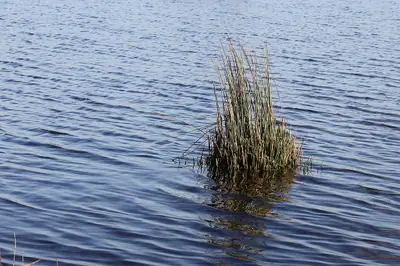
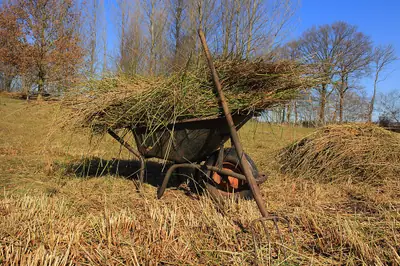


The tuft of smooth green stems that appears where the soil never dries. A patch of rushes in a meadow is a map of the groundwater drawn at the surface.
Streams and ditches · Fields and pasture · Uplands
Also known ascommon rush, bulrush
How to tell it
Cylindrical, smooth, node-free stems that reveal a continuous white spongy pith when split. The flowers emerge from the side, two thirds up, not from the tip.
What it is confused with
Sedges
Carex spp.
An old, infallible rule: sedges have a three-sided stem you can feel by rolling it between your fingers; rushes are round. Neither is dangerous.
What it is for
Mats, chair seats and baskets across the Peninsula, and the white pith served as a wick in oil lamps. Where there is rush, there is water within half a metre almost all year.
Where it occurs
Each square is an area with recorded observations of this plant. The lighter background is the set of areas where any of the entries has been observed, and serves as a reference. Note what this is not: it is not where the plant lives, it is where people record it, so trails and towns always look fuller than the mountains. Data from GBIF.
Sources
Community
No approved contributions for this entry yet.
Nothing appears here without a person reading it first. Contributions do not replace the entry or its warnings: until a botanist confirms, what is written above stands.