Lemon balm
Melissa officinalis
Family · Lamiaceae · Harmless
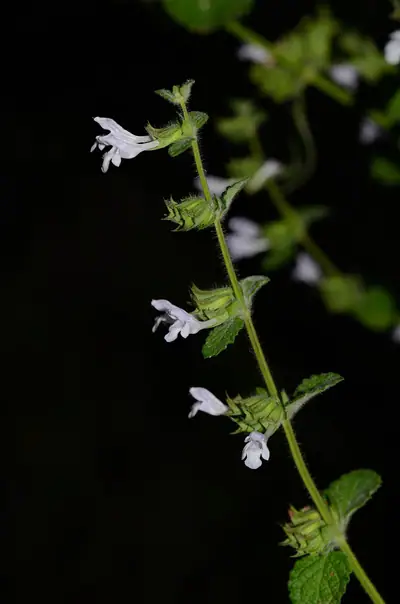
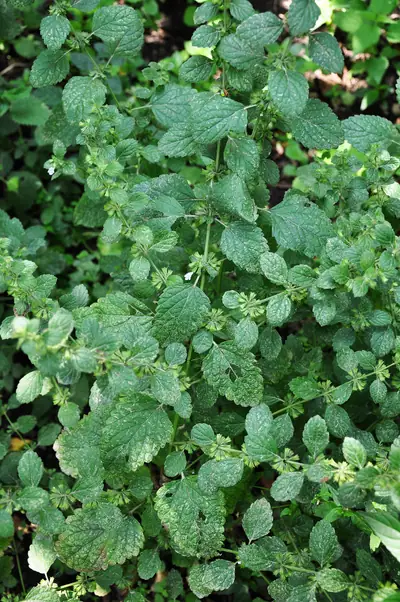


The leaf that smells of lemon when rubbed. It escaped from gardens into shady verges and old walls, and is the best-known end-of-day infusion in Portugal.
Roadsides and waste ground · Walls and rocks · Oak woods · Town and roadside
Also known asbalm, bee balm
How to tell it
A heart-shaped, wrinkled, pale green leaf with strong veins. Rub and smell: it is lemon, unmistakably. Prefers shade and some moisture.
What it is confused with
White dead-nettle
Lamium album
From a distance the leaves are similar and both are harmless mints. Lemon balm smells of lemon when rubbed; white dead-nettle smells of nothing.
What it is for
A traditional evening infusion across Europe. Bees seek it out so much that the genus name, Melissa, means bee in Greek.
Traditionally used as food. This is not permission to eat it.
With documented traditional uses. Not a therapeutic indication and not a dose.
Where it occurs
Each square is an area with recorded observations of this plant. The lighter background is the set of areas where any of the entries has been observed, and serves as a reference. Note what this is not: it is not where the plant lives, it is where people record it, so trails and towns always look fuller than the mountains. Data from GBIF.
Sources
Community
No approved contributions for this entry yet.
Nothing appears here without a person reading it first. Contributions do not replace the entry or its warnings: until a botanist confirms, what is written above stands.