Portuguese oak
Quercus faginea
Family · Fagaceae · Harmless
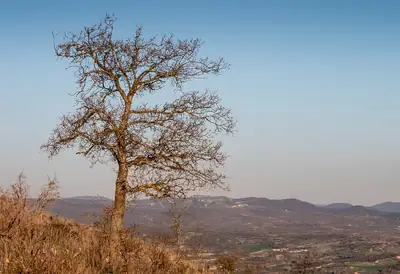
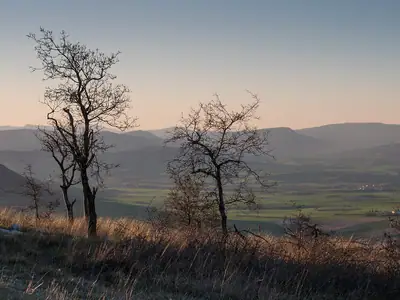


The transitional oak, holding the band between the humid northern oak woods and the dry southern montado. It is the most recorded of the Iberian oaks and the one fewest people can name.
Oak woods · Uplands · Montado
Also known asLusitanian oak, Valencian oak
How to tell it
A medium, leathery leaf with regular triangular teeth along the margin, dark green above and grey beneath. It stays dry and attached to the branch through much of winter, which tells it from pedunculate oak at a distance.
What it is confused with
Pyrenean oak
Quercus pyrenaica
Touch the leaf: Pyrenean oak is velvety on both sides with deep rounded lobes; Portuguese oak is smooth above with shallow triangular teeth.
What it is for
Quality firewood and charcoal, and acorns for livestock. Old quejigo woods are among the richest and rarest in the Peninsula, because they sit on exactly the soils agriculture preferred.
Where it occurs
Each square is an area with recorded observations of this plant. The lighter background is the set of areas where any of the entries has been observed, and serves as a reference. Note what this is not: it is not where the plant lives, it is where people record it, so trails and towns always look fuller than the mountains. Data from GBIF.
Sources
Community
No approved contributions for this entry yet.
Nothing appears here without a person reading it first. Contributions do not replace the entry or its warnings: until a botanist confirms, what is written above stands.