Field wormwood
Artemisia campestris
Family · Asteraceae · Irritating
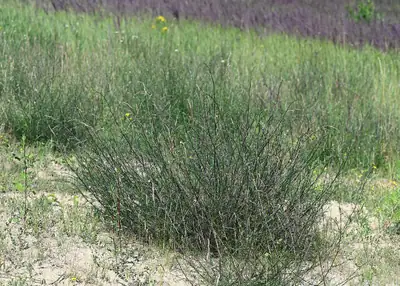
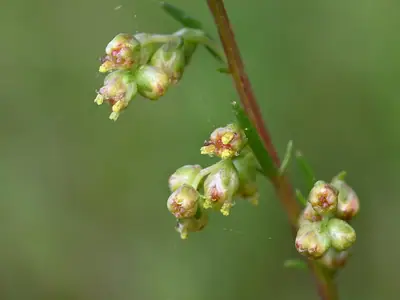


The subshrub with leaves divided into the finest strips, almost down-like, smelling of bitter resin and covering fixed dunes and dry banks. The flowers are invisibly small.
Dunes and sand · Roadsides and waste ground · Fields and pasture · Uplands
Also known asfield southernwood, Breckland wormwood
How to tell it
A woody base with many slender upright stems. Leaves twice or three times divided into thread-like segments, dark green and nearly hairless, unlike wormwood. Minute oval greenish yellow heads, nodding in long narrow panicles. A strong bitter scent when rubbed.
What it is confused with
No dangerous lookalikes known in the Iberian Peninsula.
What it is for
Traditional medicinal use against intestinal parasites, which is where the name wormwood comes from. Traditional use, in the past: the genus contains thujone, a neurotoxin that in high dose causes convulsions, and no artemisia is a casual infusion.
Where it occurs
Each square is an area with recorded observations of this plant. The lighter background is the set of areas where any of the entries has been observed, and serves as a reference. Note what this is not: it is not where the plant lives, it is where people record it, so trails and towns always look fuller than the mountains. Data from GBIF.
Sources
Community
No approved contributions for this entry yet.
Nothing appears here without a person reading it first. Contributions do not replace the entry or its warnings: until a botanist confirms, what is written above stands.