True lavender
Lavandula angustifolia
Family · Lamiaceae · Harmless
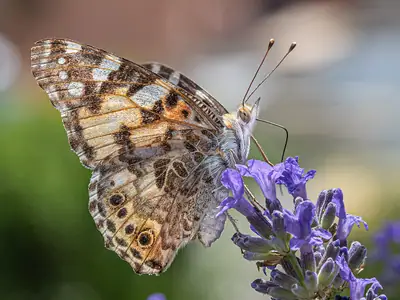
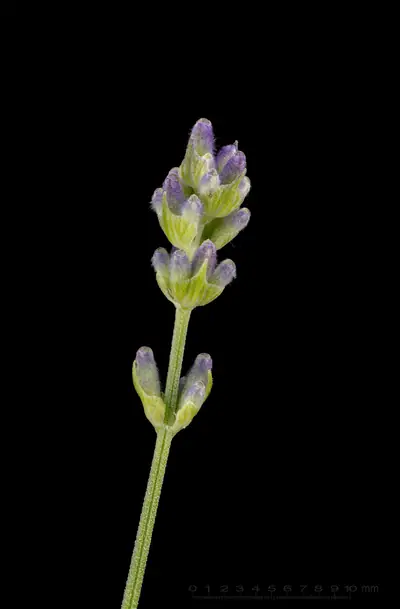


The lavender of perfume fields and gardens, which in the peninsula grows wild in the limestone mountains of northeastern Spain. Long spikes of bluish purple flowers on a leafless stalk, and the sweet scent everyone knows from a linen sachet.
Uplands · Scrubland · Roadsides and waste ground
Also known asEnglish lavender, common lavender
How to tell it
A woody greyish bush thirty to sixty centimetres. Leaves are narrow, entire, with the margin rolled under, and opposite. The spike is compact at the top of a long bare stalk. The difference from French lavender is at the spike tip: French lavender carries a tuft of coloured bracts like ears, and true lavender has none.
What it is confused with
French lavender
Lavandula stoechas
French lavender carries a tuft of long purple bracts at the top of the spike, like rabbit ears, and smells more of camphor. True lavender has no such bracts and smells sweet. Neither is dangerous.
Open sheet →What it is for
Perfumery, soaps and linen sachets forever. Traditional use as an infusion for sleep and in compresses, always in the past and with no dose recommended here. A first-class honey plant.
With documented traditional uses. Not a therapeutic indication and not a dose.
Where it occurs
Each square is an area with recorded observations of this plant. The lighter background is the set of areas where any of the entries has been observed, and serves as a reference. Note what this is not: it is not where the plant lives, it is where people record it, so trails and towns always look fuller than the mountains. Data from GBIF.