Woolly lavender
Lavandula lanata
Family · Lamiaceae · Harmless
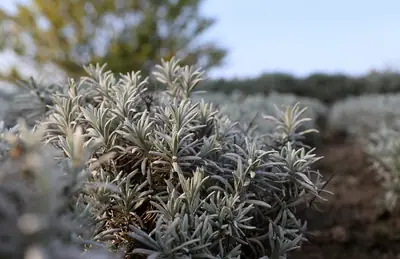
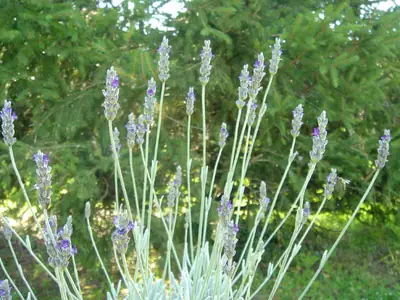


The lavender of Andalusian limestone ranges, covered in white wool so dense the whole plant looks silver. It smells stronger than any other Iberian lavender.
Uplands · Scrubland · Fields and pasture
Also known aswhite lavender
How to tell it
A silver-white subshrub, with narrow entire leaves covered in dense woolly hair on both sides. Compact spikes of dark violet flowers atop long stalks, without the bract tuft of French lavender. An extremely intense lavender scent on touch. Range: mainly a Spanish plant, practically absent from Portugal.
What it is confused with
French lavender
Lavandula stoechas
French lavender has a tuft of purple ear-like bracts at the top of the spike and is green; this is white with wool and has no tuft at all. Both smell good and neither is harmful.
What it is for
Distilled for quality essential oil and used in traditional infusions in Andalusia. Traditional use. It is restricted to the Baetic ranges and over-gathered in some places, so it is looked at and not pulled up.
With documented traditional uses. Not a therapeutic indication and not a dose.
Where it occurs
Each square is an area with recorded observations of this plant. The lighter background is the set of areas where any of the entries has been observed, and serves as a reference. Note what this is not: it is not where the plant lives, it is where people record it, so trails and towns always look fuller than the mountains. Data from GBIF.
Sources
Community
No approved contributions for this entry yet.
Nothing appears here without a person reading it first. Contributions do not replace the entry or its warnings: until a botanist confirms, what is written above stands.